Eight destinations that will welcome your child with special needs
I'm booooooored.” Whether it’s an empty Sunday or a long school vacation, this is the cry every parent dreads.
Finding a destination that appeals to children of different ages and interests is a challenge, and it becomes even tougher when you have a child with special needs. Will he be overwhelmed by all the stimulation? Will she be able to navigate the exhibits in her wheelchair? Will the staff be understanding if my child has a meltdown?
We’ve put together a list of fantastic spots near Brooklyn and Queens that are both engaging and accommodating for a variety of special needs. You shouldn’t have to choose between fun and support!
1. New York Hall of Science
- Location: 47-01 111 St., Corona
- Website: www.nysci.org
- Opening Hours:
- Wednesday - Sunday: 10:00 a.m. – 5 p.m.
- Saturday & Sunday: 10 AM – 6 PM
- Description: With over 450 exhibits, NYSCI makes science fun and accessible. There's endless exploration, from the outdoor Science Playground to the Connected Worlds exhibit.
- Why It's Great: This place is a dream for our kids who love to tinker and build. All exhibition spaces and restrooms are wheelchair accessible. A limited number of wheelchairs are available for loan at the main entrance. The museum provides sensory gear for children with sensory needs, including sunglasses, noise-canceling earmuffs, and fidget toys.
2. New York Transit Museum
- Location: 99 Schermerhorn St., Brooklyn
- Website: https://www.nytransitmuseum.org/
- Opening Hours:
- Wednesday–Sunday: 10 AM – 4 PM
- Monday & Tuesday: Closed
- Description: We visited this museum a while back, and my kids were fascinated by the exhibit of subway cars through the decades. It’s small, but if you’re looking for a bite-sized activity or want something small to round out a fuller day, it can be perfect.
- Why It's Great: This highly tactile museum allows visitors to touch most exhibits, including vintage train cars. The museum offers early opening days for individuals with disabilities and classes on safe subway ridership for tweens, teens, and adults, including those with visual impairments. Visitors can borrow a tactile guide with raised-line graphics, braille, and an audio smartpen at the admission booth. Special Day events for children with developmental disabilities and autism, along with their families, feature transit-themed activities and performances before the museum opens to the public. The next event is Sunday, Oct. 20, 2024; registration is required.
- Note: The best time to visit the museum when it is quiet is between 1-4 pm on Thursdays and Fridays. Also, adults with disabilities get a 50% discount on tickets.
3. Conservation Society’s New York Aquarium
- Website: https://nyaquarium.com/
- Opening Hours:
- Daily: 10 a.m. – 4 p.m. (3:30 p.m. in the winter)
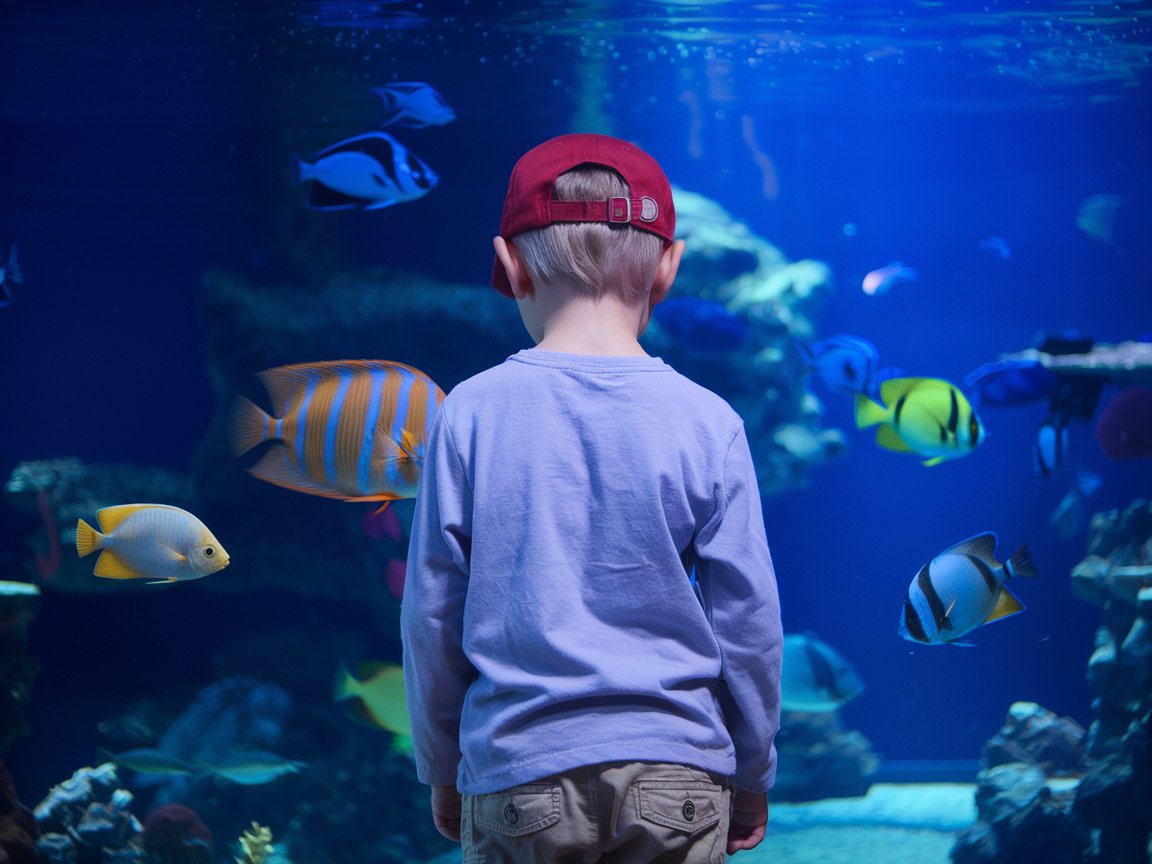
- Description: This aquarium offers an aquatic adventure because many amazing animals live here, including penguins, sea lions, sharks, and many others.
- Why It's Great: In addition to being wheelchair-accessible, the aquarium has installed signage identifying quiet zones and headphone zones (those areas that tend to be noisy) to help visitors as they explore the grounds. In addition, sensory bags containing fidget tools, noise-canceling headphones, and other resources are available for checkout at the lobby.
4. Intrepid Sea, Air & Space Museum
- Location: Pier 86, W 46th Street
- Website: www.brooklynmuseum.org
- Opening Hours:
- Daily: 10:00 a.m. – 5:00 p.m. (last entry at 4:00)
- Description: My husband has fond memories of visiting the Intrepid year after year — it’s a little boy’s dream come true. Explore the world’s first space shuttle, a submarine once equipped with nuclear missiles, an array of military aircraft, a supersonic spy plane, and the fastest commercial airliner ever built. These incredible exhibits are showcased in and around the historic aircraft carrier, Intrepid.
- Why It's Great: The Intrepid Museum offers a variety of accessible programs for individuals with developmental and sensory disabilities, including monthly family events, Early Morning Openings for children with autism, and Sensory Friendly Evenings for teens and adults. Other resources allow participants to explore the museum more comfortably, with items such as sensory bags, social narratives, and assistive listening devices. The museum also offers onsite tools like verbal description guides and tactile aids.
- Note: The museum provides free admission for personal care assistants assisting visitors with disabilities.
5. Jewish Children's Museum
- Location: 792 Eastern Pkwy
- Website: www.jcm.museum
- Opening Hours:
- Sunday: 10 a.m. – 5:30 p.m.
- Monday – Thursday: 10 a.m. – 5 p.m.
- Description: Located in the heart of Crown Heights, your kids will be thrilled to find familiar information in interactive exhibits and activities. You can explore Jewish history and the Jewish life cycle. There’s loads to do, from rock climbing to gameshows to audio-visual presentations.
- Why It's Great: The museum is very accommodating to special-needs families, offering quiet spaces and hands-on activities that are great for kids who learn differently.
6. American Museum of Natural History
- Location: 200 Central Park W.
- Website: www.amnh.org
- Opening Hours:
- Description: Yes, it’s in Manhattan, so getting there can be a hassle, but it’s easily accessible via public transportation. This vast museum is full of wonders from the natural world. We were there recently, and my kids — even the young adults —were fascinated by the gemstone exhibit
- Why It's Great: The museum provides excellent accessibility services, including welcoming service animals and offering sensory bags with noise-reducing headphones and fidget tools. Caregivers accompanying visitors with disabilities receive free admission, and the entire museum is wheelchair accessible, with elevators equipped with Braille and auditory signals. The Discovery Squad is a unique tour program for families affected by autism spectrum disorders. On select Sunday mornings, specially trained guides lead 40-minute tours, followed by activities before the museum opens to the public. Families can then stay and enjoy the museum from 10 a.m. onward. Advance registration is required.
7. Long Island Children's Museum
- Location: 11 Davis Ave., Garden City
- Website: www.licm.org
- Opening Hours:
- Tuesday–Sunday: 10 AM – 5 PM
- Monday: Closed
- Description: Just a short drive away, this museum offers a world of exploration with exhibits like “Bubbles,” “Sound Showers,” and a “Communication Station.”
- Why It's Great: The open-ended play encourages kids to explore at their own pace, and there are many hands-on exhibits for children who like tactile experiences. The museum hosts monthly “Friendly Hours,” designed for families with children with disabilities. Friendly Hours include alterations to Museum lighting and sound. Pre-registration is required — tickets open on the first of the month, and it’s best to register early. Plus, there’s a sensory room, which provides a respite for kids with sensory sensitivities who are feeling anxious or overwhelmed during their visit.
- Note: Through Museums for All, families receiving food assistance (SNAP benefits) can enjoy general admission of $3 per person for up to four people by presenting their SNAP EBT card and a photo ID.
8. Queens County Farm Museum
- Location: 73-50 Little Neck Parkway, Floral Park, Queens
- Website: https://www.queensfarm.org/
- Opening Hours:
- Daily: 10 a.m. – 5 p.m. (closed on some holidays)
- Description: Experience a slice of rural life without leaving the city. In October, the farm offers a pumpkin patch and fall activities. There are hayrides daily, and in September and October, you can try to find your way through the Maize Maze during weekends.
- Why It's Great: Let’s face it, some kids need space. A lot of it. Unlike crowded attractions, this 47-acre farm offers open areas for children to explore and enjoy. Plus, there’s a collection of animals — some of which you can feed — which neurodivergent children may find soothing.
I hope this list helps you find the perfect spot for your family's next adventure. And if you have any suggestions to add to this list, we’d love to hear them! Email us at connect@hamaspikkings.org






 OPWDD Guidance
 Home and Community
 Site-based
 Residential
 Financial
 Family support
 Services for Children
 Services for Adults
 Services for Children 0-3







.png)


.png)